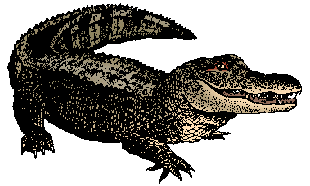
: either of two large carnivorous, thick-skinned, long-bodied, aquatic, crocodilian reptiles (Alligator mississippiensis of the southeastern U.S. and A. sinensis of China) that have a broad head with a slightly tapered, long, rounded, U-shaped snout and a special pocket in the upper jaw for reception of the enlarged lower fourth tooth
Examples are automatically compiled from online sources to
show current usage.Read More
Opinions expressed in the examples do not represent those of Merriam-Webster or its editors.
Send us feedback.
Perla restaurant takes on the feat of contemporary-meets-old school Cuban cuisine using ingredients like yuca, malanga, alligator, beef, and pork to recreate ancient recipes with a modern twist.—
Condé Nast,
Condé Nast Traveler,
25 Aug. 2026 Tegu These fat, speckled lizards hail from Argentina and arrived in Florida with a hunger for eggs— alligator, turtle, tortoise and bird alike.—
Alex Harris
august 25,
Miami Herald,
25 Aug. 2026 Officers searched across the shoreline for the alligator but couldn’t find the animal, and the South Carolina Department of Natural Resources was also notified, WRDW stated.—
Adam England,
PEOPLE,
25 Aug. 2026 The alligator did not attack the other swimmers, police said.—
Mark Price,
Charlotte Observer,
25 Aug. 2026 See All Example Sentences for alligator
Word History
Etymology
Spanish el lagarto the lizard, from el the (from Latin ille that) + lagarto lizard, from Vulgar Latin *lacartus, from Latin lacertus, lacerta — more at lizard


 Copy Citation