Word of the Day:

September 4, 2026

apiary

noun AY-pee-air-ee

What it Means
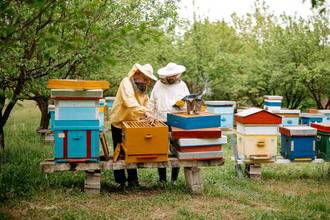
Apiary refers to a place where bees are kept, and especially a collection of hives or colonies of bees kept for their honey.

// One of the best parts of having a beekeeper for a sister-in-law is getting fresh jars of local honey from the family apiary.

See the entry

Apiary in Context

“The 70-year-old retiree from South Philadelphia ordinarily would avoid bees out of fear, but this spring she suited up for a study on therapeutic beekeeping at the Half Mad Honey apiary in the Navy Yard. Led by Temple University occupational therapy student Meghan Robertson, the project tested if beekeeping could improve mental health and well-being in older adults.” — Kayla Yup, The Philadelphia Inquirer, 28 June 2026

More example sentences

Did You Know?

For those who enjoy honey and the fascinating creatures that make it, apiaries are the bee’s knees. The word apiary—which comes ultimately from the Latin word apis, meaning “bee”—can refer to any place where bees are kept, but is used especially for a collection of hives or colonies of bees kept for their honey. Honeybee colonies are highly complex clusters of individuals that function virtually as single organisms (as by a hive mind). Queen bees, capable of laying more than a thousand eggs per day, develop from larvae that are fed solely on royal jelly. Drones are stingless male bees whose one job (they do not gather nectar or pollen) is to mate with the queen. Drones are vastly outnumbered by tens of thousands of female worker bees who do everything else—from foraging and feeding (royal jelly is produced from their pharyngeal glands) to cleaning and defense. In other words, they run the hive.

Test Your Vocabulary

What do you call a mass of hexagonal wax cells built by honeybees in their nest to contain their brood and stores of honey?

View the Answer
Daily Challenge

Want to listen to the Word of the Day instead?