Did You Know?
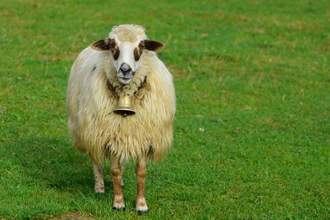
Because it suggests the act of forecasting, one might be inclined to think that bellwether has something to do with weather. But the wether in bellwether has nothing to do with meteorology. Instead, to learn whither wether, we must head to the sheep farm. We usually think of sheep more as followers than leaders, but in a flock one sheep must lead the way. Since long ago, it has been common practice for shepherds to hang a bell around the neck of one sheep in their flock, thereby designating it the lead sheep. This animal was historically called the bellwether, a word formed by a combination of the Middle English words belle (meaning “bell”) and wether (a noun that refers to a male sheep, and today specifically to a castrated male sheep). It eventually followed that bellwether would come to refer to someone who takes initiative or who actively establishes a trend that is taken up by others. This usage first appeared in English in the 15th century and has remained in the language ever since.